About this universe
Anna, a Classics student haunted by her past and starved for connection, chases dangerous intimacy in Cambridge’s dark-academic underbelly. Her search for belonging pulls her into a spiral of secret affairs, privilege, and old wounds. Each liaison promises to fill the void, but each leaves her lonelier than before.
Tone
Brooding and sensual, with a sharp undercurrent of melancholy and hunger.
Themes
longing vs. fulfillment, power and vulnerability, shame and desire, tradition vs. transgression
Protagonist
Anna
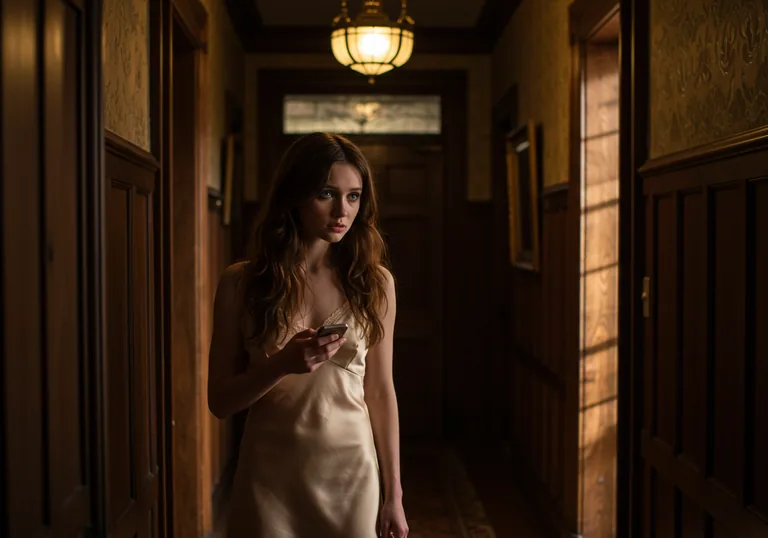
Anna's most striking quality is the quiet ache in her gaze, blue eyes that seem to search for something just beyond reach. Long chestnut hair frames a delicate face, often shadowed by uncertainty. Though she moves with gentle reserve, need and hope flicker beneath her silence, drawing others in.
Goal: To fill the void inside her through connection and intimacy.
How it begins
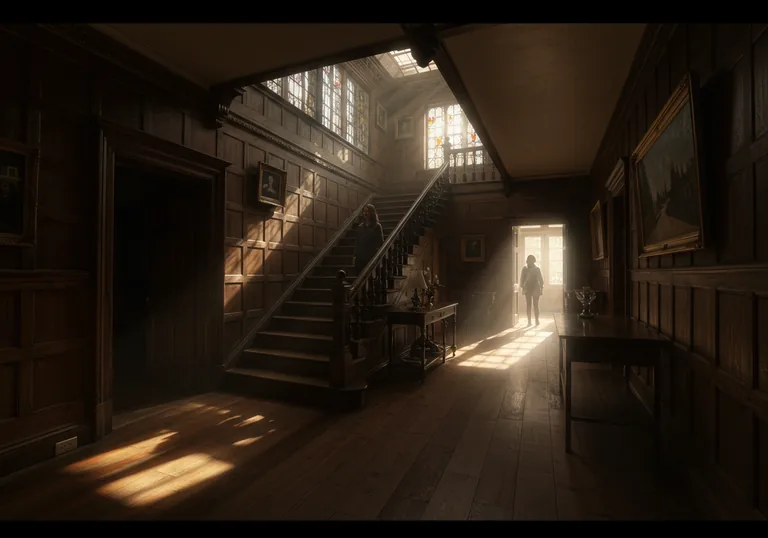
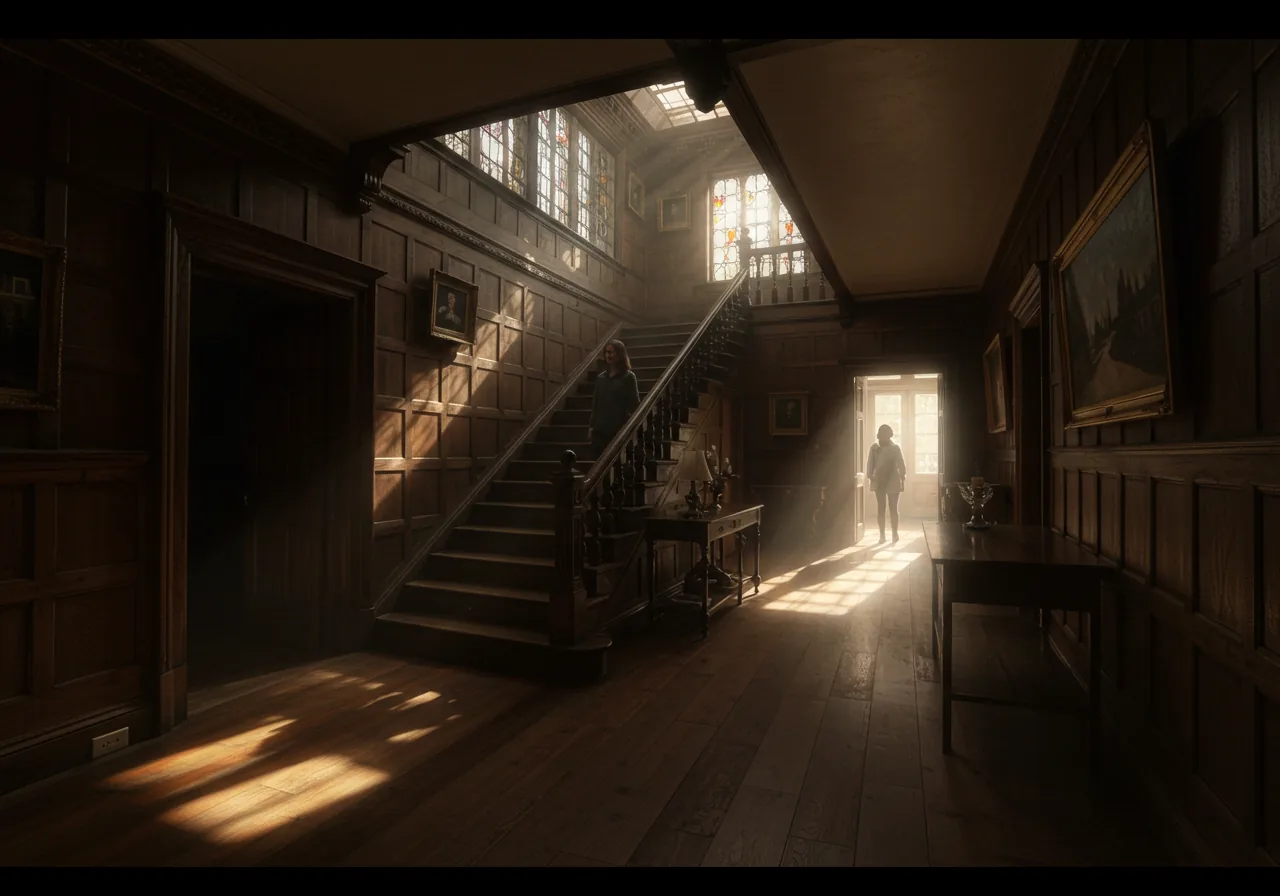
Anna fumbles with her key in the heavy oak door, her breath fogging in the morning chill. The hallway inside her Victorian house is silent, the scent of old books and furniture polish thick in the air. She shrugs off her coat, eyes lingering on the empty hatstand where Edward’s scarf hung last night. Upstairs, her phone buzzes, a message from Professor Andrew, his words clipped and urgent. Without pausing, Anna climbs the creaking stairs, fingers tracing the worn banister, heart thudding with anticipation and regret. Her reflection flickers in the hall mirror, blue eyes haunted, as she unlocks her bedroom door. The bed is unmade from last night’s hurried passion, sheets tangled and stained with memory. The buzz of her phone grows insistent, slicing the quiet. Anna hesitates, pulse quickening, caught between the comfort of solitude and the ache to be wanted again.
About this world
In the shadowed courts of Cambridge, privilege and yearning walk hand in hand. Ornate libraries, ivy-tangled courtyards, and candlelit halls hum with the secret appetites of old money and restless ambition. Lust, loneliness, and cultural divides swirl beneath the academic veneer, as students chase meaning through intellect and indulgence alike.
Cambridge's Midnight Cloisters evoke a gothic grandeur that is equal parts alluring and oppressive. The city is a labyrinth of historic colleges, ancient stone bridges, gaslit lanes, and Victorian houses haunted by secrets. The social hierarchy is razor-edged: old money families, Sinclairs, Rutledges, Hargraves, move with unspoken authority, their influence saturating clubs and societies. The campus itself feels timeless, but always at odds with the pulse of modern desire: clandestine parties unravel behind library stacks, and whispered confessions echo through oak-paneled lecture halls.
Sex and power are both currency and weapon. International students from Moscow, Paris, and Shanghai orbit the local elite, their presence both coveted and resented. Rumors of affairs, scandals, and betrayals are as common as rain. The academic world is demanding, but loneliness pools in every corner, drawing students toward fleeting comfort, a glass of champagne, a warm body, a dangerous liaison. The old families wield tradition as both shield and shackle, enforcing norms through social exclusion and subtle cruelty. Professors, themselves relics of a more decadent era, sometimes blur the lines between mentor and predator.
Technology is present but never dominant; handwritten notes and rare books outnumber laptops. The city revels in its own rituals: formal dinners, heated debates, midnight walks along the river Cam. Yet beneath the rituals, emptiness gnaws at the privileged and outcast alike. Here, every pleasure has a price, and every secret has teeth.