About this universe
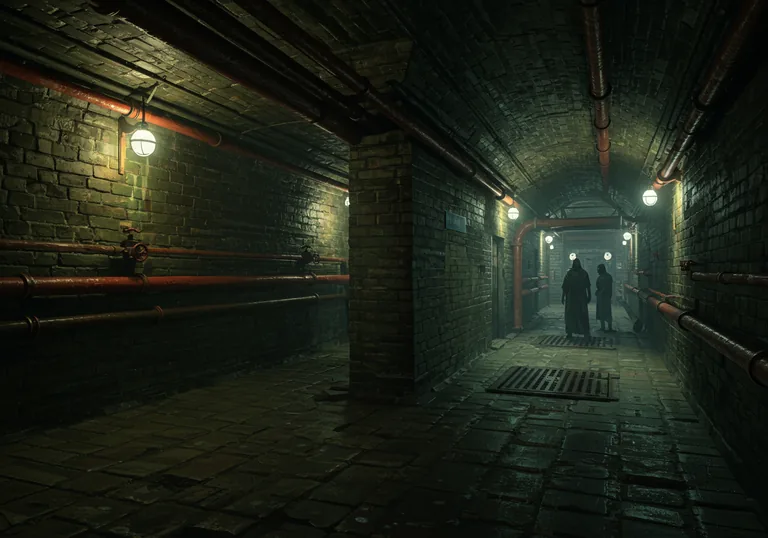
Ryo Antigonus, haunted by the legacy of his bloodline and the threats of cosmic inevitability, must descend into Trier’s labyrinths to reclaim a fragment of forgotten power. Cultists, rival Beyonders, and the encroaching will of Outer Deities close in, forcing Ryo to gamble his sanity and identity for survival and transcendence, or be devoured by the city’s hungry shadows.
Tone
Claustrophobic and tense, with moments of eerie quiet and surreal horror.
Themes
legacy and madness, knowledge as damnation, masking identity, cosmic futility
Protagonist
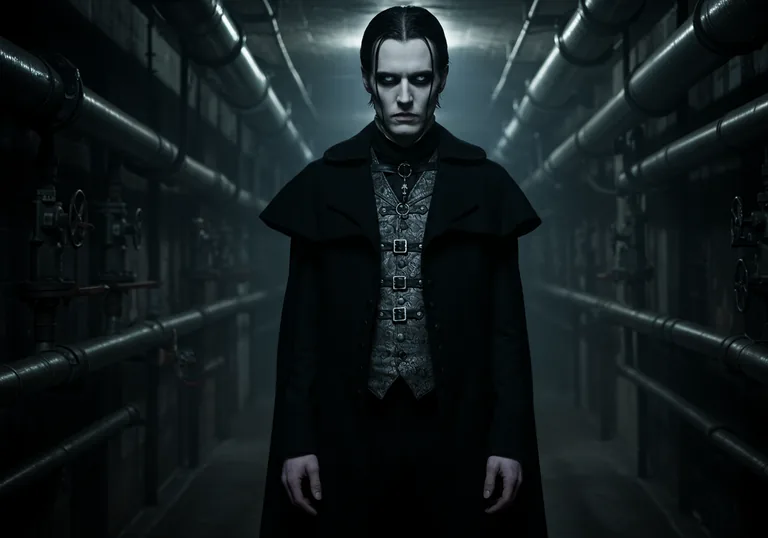
Ryo Antigonus
Tall and statuesque, Ryo Antigonus moves with unsettling stillness, his black hair slicked back to reveal sharp cheekbones and pale, almost waxen skin. Always impeccably dressed in tailored Victorian attire, Ryo’s gaze is cold, analytical, and haunted, his presence feels more like a calculated absence, as if he’s never quite there.
Goal: To retrieve a fragment of forgotten power and deal with the intruder.
How it begins
Ryo Antigonus pressed his gloved hand against the cold metal hatch, feeling the vibration of distant machinery through the stone wall. A marionette, his most trusted, borrowed from a university mortuary, waited beside him, its glass eyes glinting in the gloom. The gaslight overhead flickered, casting shifting patterns that crawled along mildew-streaked brick. Below them, voices echoed: a muttering congregation, chanting in a language older than the city itself. Ryo shifted his consciousness, threads of spirit body unwinding and reweaving with surgical care. He tasted the ambient fear in the air, bitter as soot. A footstep on the iron stair behind him, the contact was early. Ryo dropped the marionette’s hand to his cloak, eyes narrowed as the hatch creaked open and a shadowed figure pushed through, clutching a bundle wrapped in oilskin as if it were a holy relic. The air thickened, heavy with the scent of incense and rot. Ryo’s marionette turned, voice cold and precise:
“You’re late. We don’t have time to linger.”
The city’s heart pulsed beneath them, as if listening.
About this world
Trier is a decadent metropolis of perpetual twilight, rising above ancient ruins in the shattered Loen-Intis borderlands. Gas lamps flicker through smog as steepled cathedrals, subterranean labyrinths, and looming factories crowd together. Underneath its brittle civility, cosmic forces and rogue Beyonders wage silent wars, each step shadowed by dread and inevitability.
Trier is a city of paradox: opulent opera houses glimmer beside soot-stained tenements, and its aristocracy waltzes over hollowed catacombs reeking of old blood and stranger things. Built atop the ruins of epochs lost to disaster, Trier’s streets spiral downward into forgotten levels, each layer more warped by the encroachment of the Spirit World and the influence of Outer Deities. Above, coal-choked factories belch into a sky eternally caught between rain and ghostly twilight. Below, entire districts have been commandeered by cults, mad artists, and secretive Beyonders, their activities half-ignored by the exhausted authorities of the postwar Loen administration.
The fabric of reality here is thin. Miracles and abominations both happen in the shadows: it’s not uncommon for a passerby’s reflection to linger after they leave, or for gaslight to flicker in Morse code. The Seven Orthodox Churches wield diminishing authority against the tide of Boon-wielders and anarchists drawn by Trier’s promise of forbidden knowledge. Since the Great War, the populace lives in anxious tension, publicly clinging to ritual and etiquette while privately dreading the cosmic madness that seeps from beneath. The Circle of Inevitability’s influence grows stronger by the month, sowing instability as more citizens gamble with their souls for power and secrets.
In Trier, information is currency, and every mask has a mask beneath. Secret societies, revolutionary cells, and church Inquisitors war in the alleys, while ancient bloodlines scheme from behind iron gates. To survive, one must navigate not only the politics of men but also the subtle, devouring hunger of the Outer Gods. Here, the line between progress and abomination blurs, and the price for enlightenment is almost always sanity, or worse.